

Indication
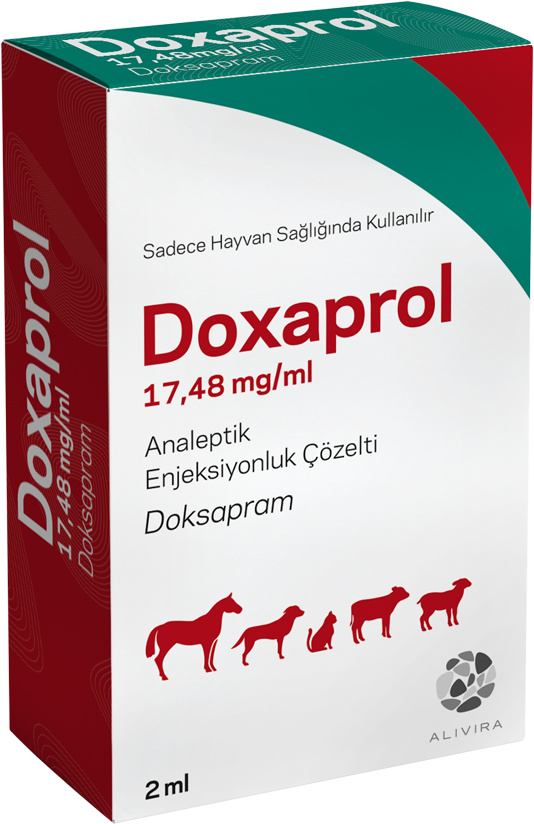
For dogs, cats, and horses: Used to stimulate respiration during and after general anaesthesia and when considered beneficial, to accelerate post-anaesthetic recovery and the return of reflexes.
For newborn puppies, kittens, calves, and lambs: Used to initiate and stimulate respiration following dystocia or caesarean section.


For dogs, cats, and horses: Used to stimulate respiration during and after general anaesthesia and when considered beneficial, to accelerate post-anaesthetic recovery and the return of reflexes.
For newborn puppies, kittens, calves, and lambs: Used to initiate and stimulate respiration following dystocia or caesarean section.
Dogs and cats:
• Following intravenous anaesthesia: 2–5 mg/kg (equivalent to 0.1–0.25 mL/kg), depending on the clinical response.
• Following inhalation anaesthesia: 1–2 mg/kg (equivalent to 0.05–0.1 mL/kg), depending on the clinical response.
Horses:
Following intravenous or inhalation anaesthesia: 0.5–1.0 mg/kg (equivalent to 2.5–5.0 mL/100 kg), depending on the clinical response.
Calves:
For intravenous, intramuscular, subcutaneous, or sublingual administration. Administer 40–100 mg (equivalent to 2.0–5.0 mL), depending on the size of the newborn and the degree of respiratory depression.
Lambs:
For intravenous, subcutaneous, or sublingual administration. Administer 5–10 mg (equivalent to 0.25–0.5 mL), depending on the size of the newborn and the degree of respiratory depression.
Newborn calves and lambs:
Meat: 28 days
Not for use in animals producing milk for human consumption.
In cardboard box; available in 2 ml colorless glass bottles in groups of 4 and 24 pieces.

Hukukçular Towers
Mustafa Kemal Avenue, A Block, Floor 1
Door No: 8-9-10-11, Cevizli Neighborhood
Kartal, Istanbul
TÜRKİYE
Çekirdeksiz Organize Sanayi Bölgesi 210. Cad. No: 7 06900 Polatlı / Ankara